Tooth Extraction
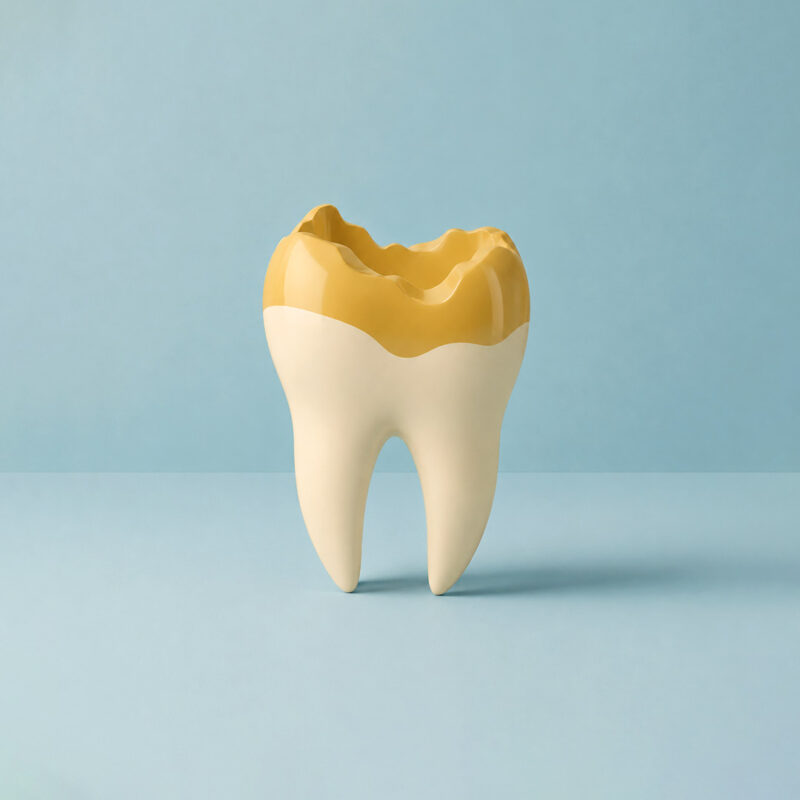
Sometimes a tooth is too damaged, infected or loose to save, whether that’s from advanced decay, a severe crack, or gum disease that’s weakened the bone around it. When that’s the case, removing it is the right call, and we’ll always talk you through why before going ahead.
Why a tooth might need to come out
Untreated infection is the most common cause. Once decay or infection reaches deep enough into a tooth that root canal treatment can’t resolve it, extraction is usually the only option left. Advanced gum disease works differently, it loosens the bone holding the tooth in place, so the tooth becomes unstable even without direct damage to the tooth itself.
What happens during an extraction
We start with an X-ray to check the number and position of the roots, straightforward for front teeth with a single root, more involved for molars, which typically have two to four. The tooth is then removed under local anaesthetic, and we make sure the area is properly cleaned to stop any remaining infection spreading. You’ll leave with clear aftercare instructions
Replacing the tooth
Once a tooth is gone, the gap doesn’t have to stay. Depending on the case, an implant or bridge can restore both function and appearance, and we’ll discuss whether that’s right for you as part of your treatment plan.
Book a Consultation
In pain or worried about a damaged tooth? Book an appointment and we’ll assess it properly before deciding what’s needed.
Wisdom Tooth Extraction
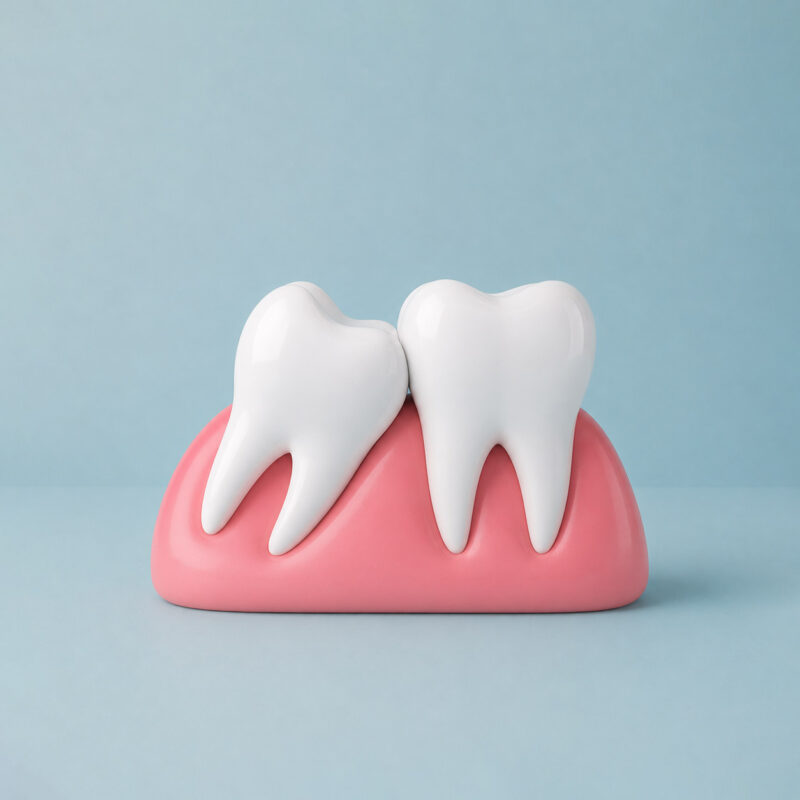
Wisdom teeth are the last molars to come through, usually in your late teens or twenties. For a lot of people they cause no issues at all. For others, there simply isn’t enough room for them, and that’s when problems start.
When they’re a problem
An impacted wisdom tooth is one that hasn’t come through properly, either fully trapped under the gum and bone, or partly erupted with the crown just visible. Partial eruption is usually the more troublesome of the two, since it leaves an opening where food and bacteria can get trapped, leading to infection, swelling and pain. Common reasons removal becomes necessary include:
- Recurrent infection or swelling around the tooth (pericoronitis)
- Decay in the wisdom tooth or the molar next to it, from being hard to clean properly
- A cyst forming around an unerupted tooth
- Pain from pressure on nearby teeth or the jaw nerve
Do all wisdom teeth need to come out?
No. Current guidance is clear that a wisdom tooth causing no pain, damage or infection doesn’t need to be removed just because it’s there. We only recommend extraction where there’s an actual clinical reason for it, and we’ll explain what that reason is if it applies to you.
Book a Consultation
Wisdom tooth pain, or not sure if yours needs attention? Book an appointment and we’ll take an X-ray and talk you through what, if anything, needs doing.