
Fixed Braces
Fixed braces are still the most versatile way to straighten teeth, and often the best choice for more complex cases like crowding, gaps or bite problems. They work steadily in the background while you get on with daily life, and they handle movements that removable options can’t always achieve.
We offer several types, so there’s a discreet route as well as a classic one.
Metal Braces
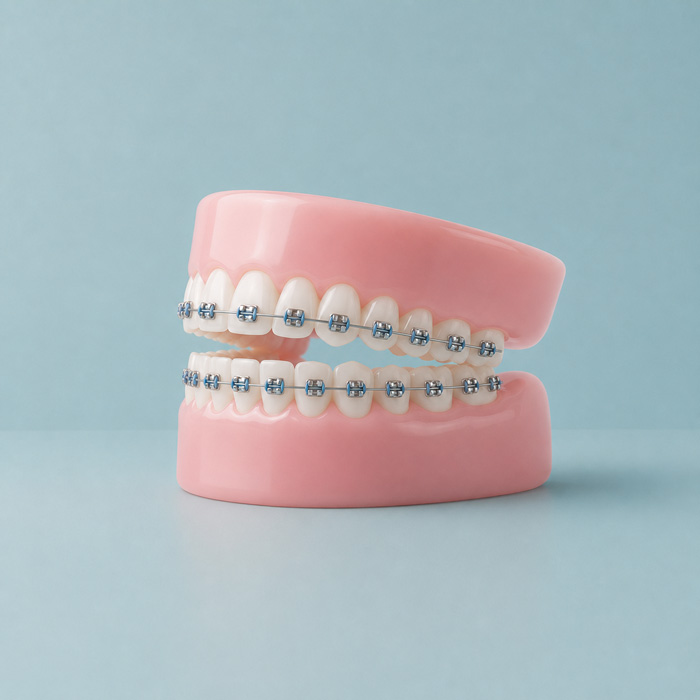
The classic option, and still one of the most effective. Modern metal braces are smaller and more comfortable than they used to be, and they handle even complex cases reliably.
Ceramic Braces
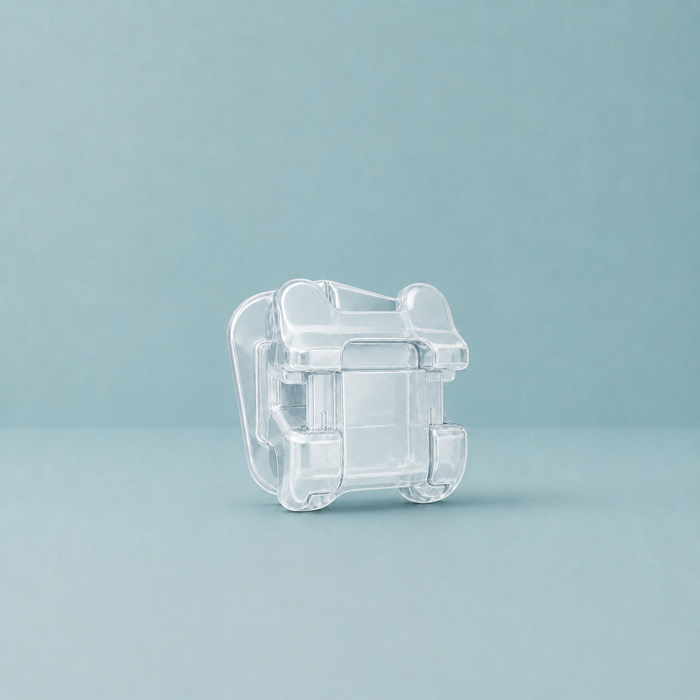
They work just like metal braces, but the brackets match the natural colour of your teeth, so they’re far less noticeable. A popular choice for adults who want a discreet option without switching to aligners.
Lingual Braces
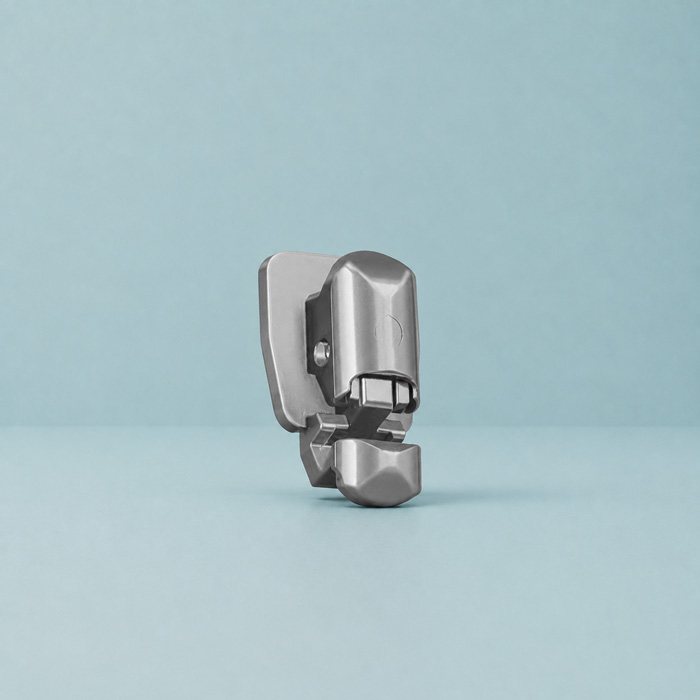
Fitted behind the teeth, so they stay hidden when you talk or smile. A good option if you want fixed braces but would rather they didn’t show at all.
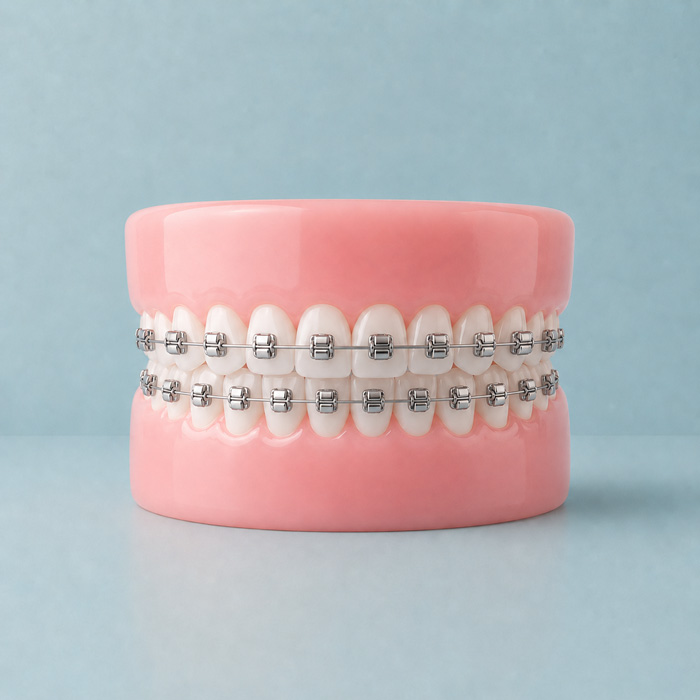
Self-ligating Braces
These hold the wire without elastic ties, which means less friction, easier cleaning and often more comfortable adjustments. Appointments can be quicker too.
Caring for your braces
Avoid hard, sticky and chewy foods, nuts, hard sweets, chewing gum, ice, popcorn, hard bread crusts. These bend wires and snap brackets off. Cut apples, carrots and other hard fruit or veg into small pieces rather than biting in directly. Cut back on sugary and sticky foods generally, they’re harder to clean off around brackets and raise your risk of decay while you’re in treatment.
Brush after every meal, and use floss threaders or interdental brushes to clean under the wire, a regular floss can’t get through.
If a bracket or wire comes loose
Not an emergency. It won’t undo your treatment or cause lasting harm, it just needs sorting so it doesn’t delay progress or irritate your cheek. If a wire is poking or rubbing, cover the end with orthodontic wax until you can get in. Call us and we’ll get you in at the next available slot, not an emergency dentist visit.
Call sooner rather than later if there’s real pain, a cut inside your mouth, or you’ve swallowed a piece of the bracket.
What to expect
Treatment starts with a consultation and assessment, so we can recommend the right type for your case and explain the likely timescale and cost upfront. Most treatments take between 18 and 24 months, though it can be as short as 6 months for minor cosmetic adjustments or up to 3 years for complex jaw and bite corrections. The exact timeline depends on the severity of your case, the type of braces and your age. You’ll come in for short check-up visits along the way, and when your braces come off, you’ll wear a retainer to keep your teeth in their new position.
Book a Consultation
Not sure if this is the right treatment for you? Book the consultation anyway. That’s exactly what it’s for.